 Ds Times
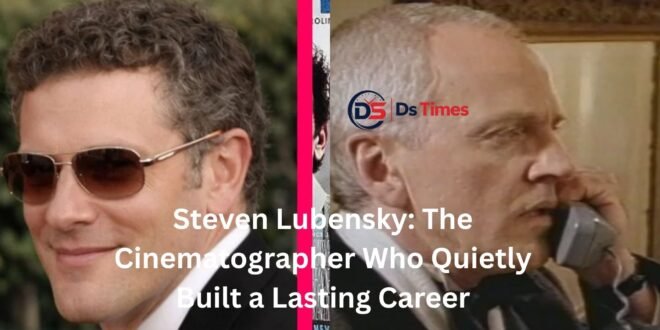
Some people in film become famous because they’re constantly in front of cameras. Others spend years behind them, shaping the look, rhythm, and feel of stories without most viewers ever learning their names. Steven Lubensky fits squarely into that second group.
If you’ve spent time digging through indie film credits, documentary crews, or late-90s independent cinema, chances are you’ve crossed paths with his work without realizing it. That’s usually how careers like his unfold. Quietly. Consistently. One project at a time.
Steven Lubensky isn’t a celebrity cinematographer in the blockbuster sense. He’s not the guy giving TED Talks about lenses or appearing in flashy YouTube breakdowns of “how this scene was shot.” But there’s something interesting about people who build decades-long careers in film without turning themselves into brands.
That kind of longevity says a lot.
According to IMDb, Lubensky worked across camera and electrical departments before taking on cinematography roles of his own. He’s connected to films like Series 7: The Contenders, Finding North, Scratch, and Shooting Vegetarians.
And honestly, that path feels more real than the overnight-success version Hollywood loves to sell.
The people behind the image matter more than most viewers realize
Watch almost any great movie scene and people usually praise the actors first.
Makes sense. They’re the visible part.
But the emotional tone of a scene often comes from the camera work long before dialogue lands. A cramped close-up can create anxiety. A drifting handheld shot can make a moment feel intimate or unstable. Even silence changes depending on how the image is framed.
That’s where cinematographers and camera crews quietly shape storytelling.
Steven Lubensky spent years working in that world. Not as the headline star, but as part of the machinery that makes films feel believable.
There’s something refreshing about careers like that because they reflect how creative industries actually function. Most films aren’t built by a handful of famous directors. They’re built by experienced crews who know how to solve problems at 2 a.m. when the lighting setup fails and the schedule is collapsing.
A lot of younger film fans imagine cinema as glamour. The reality is usually people carrying equipment through freezing parking lots while eating terrible coffee-shop sandwiches between takes.
Crew work teaches resilience fast.
His career grew through independent film culture
The late 1990s and early 2000s were an interesting era for indie film.
Studios still mattered, of course, but there was room for smaller projects to develop cult followings. Sundance-style filmmaking had energy back then. Movies felt rougher around the edges in a good way. Less polished. More human.
Lubensky’s filmography reflects that atmosphere.
Projects like Series 7: The Contenders became known for their offbeat style and dark satire. The movie mocked reality television before reality TV fully consumed pop culture. Looking back now, it almost feels prophetic.
Meanwhile, documentary-related work and smaller dramatic productions gave cinematographers room to experiment. Budgets were tighter, which often forced creativity.
That’s one thing experienced camera people rarely say out loud: limitations sometimes improve visual storytelling.
When productions have endless money, scenes can become bloated. But when crews have to improvise, visual choices become sharper and more intentional.
People who came up through indie film crews usually develop a very practical skill set because they have to. They learn lighting, movement, timing, troubleshooting, communication. Sometimes all in the same afternoon.
Steven Lubensky’s path through assistant camera work into cinematography reflects that kind of hands-on progression.
There’s a reason long-term crew careers deserve more respect
Film culture tends to obsess over directors. Sometimes actors. Occasionally writers.
Crew members often become invisible to audiences unless they win major awards.
But sustaining a career in film for years is incredibly difficult.
Freelance production work can be unstable. Projects disappear. Funding collapses. Schedules change overnight. One slow season can create real financial pressure. That’s true now, and it was true decades ago too.
So when someone keeps working steadily across productions for years, it usually means they’re trusted.
And trust matters more in filmmaking than raw talent alone.
A director might hire someone because they’re technically brilliant once. They rehire them because they stay calm when things go wrong.
That’s the hidden side of film work most audiences never see.
The camera department especially operates under constant pressure. Tiny technical mistakes can ruin expensive shooting days. Lighting changes unexpectedly. Equipment malfunctions. Actors lose daylight windows. Somebody always wants one more setup with ten fewer minutes available.
People who survive in that environment tend to become very adaptable.
You can actually see that pattern in Lubensky’s range of credits. He worked in assistant camera positions, electrical departments, and cinematography roles across different kinds of productions.
That flexibility is often what keeps film professionals employed.
His connection with Brooke Smith adds another layer
Steven Lubensky has also been publicly noted as the husband of actress Brooke Smith, known for projects like The Silence of the Lambs and Grey’s Anatomy. The two married in 1999 and have children together.
Now, here’s the interesting part.
Hollywood relationships often become media spectacles. Every dinner turns into gossip coverage. Every rough patch becomes tabloid content.
But Lubensky and Smith have mostly stayed outside that machine.
There’s something admirable about that.
Long marriages inside entertainment industries are harder than people admit. Film and television schedules can become chaotic. Shoots pull people across countries for months at a time. Public attention creates pressure most normal couples never experience.
Yet some people deliberately build quieter lives inside loud industries.
That seems closer to their approach.
And honestly, there’s a lesson there beyond celebrity culture itself. Not everybody working in entertainment wants maximum visibility. Some people genuinely prefer stable creative lives over personal branding.
That’s becoming rarer now.
The craft of cinematography changed dramatically during his era
One thing that makes careers like Steven Lubensky’s interesting is the timeline they span.
The industry transformed massively during those years.
Film stock gradually gave way to digital workflows. Editing systems evolved. Cameras became lighter and more affordable. Independent productions suddenly gained access to tools that once required studio-level budgets.
That transition wasn’t always smooth.
Older crew members had to adapt quickly or risk becoming obsolete. New technologies changed shooting methods, lighting techniques, even production speed.
A cinematographer working through that era had to stay flexible.
You can compare it to watching someone who learned photography in darkrooms suddenly navigate digital editing software. Same artistic foundation, completely different tools.
Some people resisted those shifts. Others adapted and kept going.
The people who lasted usually understood something important: storytelling matters more than equipment trends.
That idea gets lost online today because film conversations often turn into gear debates. Endless arguments about cameras, lenses, sensors, codecs.
Most audiences don’t care.
Viewers respond to mood. Emotion. Tension. Human connection.
A technically perfect image that feels emotionally empty won’t stay with anyone.
Indie film workers rarely get the recognition they deserve
There’s also a broader point here about independent filmmaking culture.
A huge percentage of talented film workers operate outside mainstream fame forever. They contribute to documentaries, shorts, regional productions, festival films, and smaller studio projects that never become household names.
Yet those productions shape cinema culture in important ways.
Some of the most creative visual experimentation happens outside giant franchises because smaller films can take risks.
They can be strange.
Messy too.
Sometimes deeply personal.
And the people working on them often care intensely about craft even without major financial rewards.
That reality probably surprises people outside the industry. There’s an assumption that everyone in film is chasing celebrity status.
A lot of crew professionals are simply trying to make good work while maintaining a sustainable life.
That’s harder than it sounds.
Why careers like Steven Lubensky’s still matter today
Modern entertainment culture rewards visibility almost more than skill.
If someone has millions of followers, they’re treated as important before audiences even evaluate the work itself. Meanwhile, experienced professionals with decades of knowledge can remain largely unknown publicly.
Steven Lubensky represents a different kind of creative career. One built on contribution instead of constant self-promotion.
There’s value in that.
Especially now.
You see it across industries, actually. The loudest people online often aren’t the most capable ones in the room. Meanwhile, highly skilled professionals quietly keep entire systems functioning behind the scenes.
Film crews understand this instinctively.
The audience notices actors first. But professionals notice whether the production itself works.
Does the visual tone stay consistent? Do scenes flow naturally? Does the camera movement support emotion instead of distracting from it?
Those details come from experienced crew collaboration.
And careers like Lubensky’s reflect years spent inside that process.
The takeaway from his story isn’t fame
If there’s one thing that stands out about Steven Lubensky, it’s probably consistency.
Not hype. Not scandal. Not reinvention every six months.
Just steady creative work over time.
That might sound ordinary, but it’s actually rare.
Especially in industries built around constant attention.
A lot of people start creative careers chasing recognition. Over time, many realize stability, good collaborations, and meaningful work matter more than public visibility.
Steven Lubensky’s career feels connected to that idea.
He built a place inside filmmaking through craft work, technical skill, and long-term involvement in independent productions. He stayed active across different roles and evolving eras of cinema while largely avoiding the celebrity spotlight.
And maybe that’s why his story remains interesting.
Not because it follows the standard Hollywood myth.
Because it doesn’t.
