 Ds Times
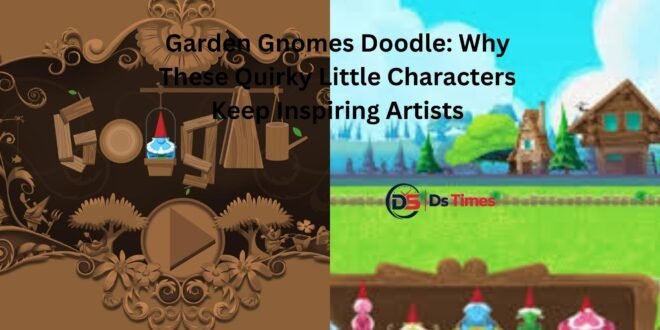
Garden gnomes have a funny way of sticking in your memory. You might spot one tucked behind a flower bed, standing guard beside a tomato plant, or peeking out from under a bush with a grin that seems just a little suspicious. They’re odd, charming, and sometimes downright ridiculous.
That’s exactly why the garden gnomes doodle trend has become so popular among artists, sketchbook enthusiasts, and casual doodlers.
A garden gnome is already a character before a pencil ever touches the page. Give it a pointed hat, a bushy beard, and a mischievous expression, and suddenly you have endless possibilities. Some artists draw traditional gnomes carrying lanterns. Others create entire gnome villages, complete with mushroom houses and tiny pets.
The appeal isn’t complicated. Garden gnomes are fun to draw, easy to personalize, and packed with personality.
Why Garden Gnomes Make Perfect Doodle Subjects
Not every drawing subject works well for doodling.
Cars require perspective. People can be surprisingly difficult. Animals often need careful attention to proportions.
Garden gnomes, on the other hand, are wonderfully forgiving.
A slightly oversized nose? It works.
A hat that’s too tall? Even better.
A beard that takes up half the character’s body? Nobody complains.
The playful nature of gnomes gives artists freedom to experiment without worrying about realism. That’s one reason they’re often recommended for beginners who want to build confidence in sketching.
Let’s be honest. Drawing becomes much more enjoyable when you aren’t constantly erasing mistakes.
A garden gnome doodle can start with a simple circle for the nose, a triangle for the hat, and a few loose lines for the beard. Within minutes, you’ve created a recognizable character.
That’s a satisfying experience, especially when you’re filling a sketchbook page or looking for a relaxing creative break.
The Charm of Imperfect Lines
One thing that makes doodle art so appealing is that perfection isn’t the goal.
Many people assume good drawing requires flawless technique. In reality, some of the most charming doodles have uneven lines, slightly crooked shapes, and spontaneous details.
Garden gnomes fit naturally into that style.
Imagine sitting at a coffee shop with a notebook while waiting for a friend. You start drawing random shapes in the corner of a page. A triangle becomes a hat. A circle becomes a nose. Before long, there’s a tiny gnome staring back at you.
That kind of casual creativity is where doodling shines.
The character doesn’t need perfect proportions. It just needs personality.
Sometimes the sketch that takes three minutes ends up feeling more alive than the one that took an hour.
Creating Personality Through Small Details
The best garden gnome doodles aren’t necessarily the most detailed. They’re the ones that feel like they have a story.
A raised eyebrow can completely change the mood.
A crooked smile can make a gnome look mischievous.
Tiny glasses instantly create the impression of a wise old gardener.
Details like these turn a simple sketch into a memorable character.
Many artists enjoy creating collections of gnomes with different personalities. One might be grumpy. Another might be sleepy. A third could be carrying an oversized sunflower that barely fits on the page.
The possibilities keep expanding because each doodle can become its own little world.
That’s part of the fun. You’re not just drawing an object. You’re creating a character that invites imagination.
Garden Gnomes and the Rise of Whimsical Art
Over the past few years, whimsical art has found a larger audience.
People seem drawn to illustrations that feel playful, comforting, and a little nostalgic. In a world filled with notifications, deadlines, and endless scrolling, simple imaginative drawings offer a refreshing escape.
Garden gnomes fit perfectly into that trend.
They’re connected to gardens, nature, folklore, and storytelling. Even people who have never owned a garden gnome usually recognize the image immediately.
That familiarity creates a strong foundation for creative interpretation.
One artist might draw a gnome tending magical flowers. Another might sketch a gnome fishing from a teacup. Someone else could create a space-traveling gnome floating among planets.
The core design stays recognizable while allowing endless variation.
That’s a rare combination in visual art.
Building a Garden Gnome Doodle Collection
Many artists start with a single doodle and quickly discover they want to draw more.
The reason is simple. Gnomes naturally lend themselves to series and collections.
You can create seasonal gnomes for spring, summer, autumn, and winter.
You can design hobby-themed gnomes that garden, paint, bake, read, or camp.
You can even invent entire families of gnomes with different hats, hairstyles, and accessories.
A sketchbook filled with connected characters feels more engaging than a collection of unrelated drawings.
Each new page adds another piece to the world you’re building.
Some artists challenge themselves to draw thirty different gnomes in thirty days. Others keep a dedicated page where they add new characters whenever inspiration strikes.
There’s no right way to approach it.
The goal is simply to keep creating.
Adding Nature Elements to Your Doodles
Garden gnomes rarely exist alone.
Part of their charm comes from the environment around them.
A few flowers can instantly make a sketch feel more complete. Mushrooms, watering cans, butterflies, birds, and garden tools all pair naturally with gnome characters.
The good news is that these elements are usually easy to doodle.
Simple flower shapes add visual interest without overwhelming the page.
Tiny mushrooms work especially well because they echo the whimsical mood of the gnome itself.
Now the drawing feels less like a character floating in empty space and more like a scene.
Even a few blades of grass can make a surprising difference.
Why People Keep Returning to Gnome Art
Some drawing trends come and go quickly.
Garden gnomes seem to have staying power.
Part of that comes from their connection to folklore and storytelling traditions. They’ve existed in various forms for generations, appearing in gardens, illustrations, books, and decorative art.
But there’s another reason.
They’re simply enjoyable.
Not everything has to be serious.
Sometimes people want to draw something that makes them smile.
A grumpy little gnome carrying a giant pumpkin doesn’t need deeper meaning. The image works because it’s playful and entertaining.
Creative hobbies often become more sustainable when they’re enjoyable rather than stressful.
That’s one reason many artists return to garden gnome doodles again and again.
The process feels lighthearted.
Finding Your Own Style
One of the most rewarding parts of doodling is watching your style develop over time.
At first, you might copy common gnome features: the tall hat, round nose, and flowing beard.
Eventually, your preferences start to emerge.
Maybe you like drawing oversized hats.
Maybe you focus on expressive faces.
Perhaps your gnomes always carry unusual objects or live in elaborate mushroom villages.
These small choices gradually create a unique visual identity.
The shift often happens without you noticing.
Then one day you flip through older sketchbook pages and realize your gnomes have become unmistakably yours.
That’s a satisfying moment for any artist.
Turning Simple Sketches Into Creative Practice
People often underestimate the value of doodling.
A quick garden gnome sketch may seem insignificant, but consistent doodling builds important creative habits.
It encourages observation.
It develops hand control.
It strengthens visual problem-solving skills.
Most importantly, it keeps you creating.
Many experienced artists still fill notebooks with simple sketches because regular practice matters more than occasional perfection.
A ten-minute doodle session can be surprisingly productive.
And unlike large art projects, there’s very little pressure.
You can experiment freely, try new ideas, and move on without worrying about the outcome.
That freedom is often where the best ideas appear.
The Lasting Appeal of Garden Gnomes Doodle Art
A garden gnomes doodle combines several things people naturally enjoy: creativity, humor, storytelling, and imagination.
The characters are simple enough for beginners yet flexible enough to keep experienced artists interested. They can be cute, mysterious, goofy, wise, or completely absurd.
That’s what makes them such rewarding subjects.
A single doodle can start as a quick sketch in the corner of a notebook and grow into an entire collection of characters and scenes. Along the way, it offers something many creative hobbies struggle to provide: pure enjoyment.
And sometimes that’s exactly what a sketchbook needs. A funny little gnome with a crooked hat, standing proudly beside a mushroom, reminding us that creativity doesn’t always have to be complicated.
