 Ds Times
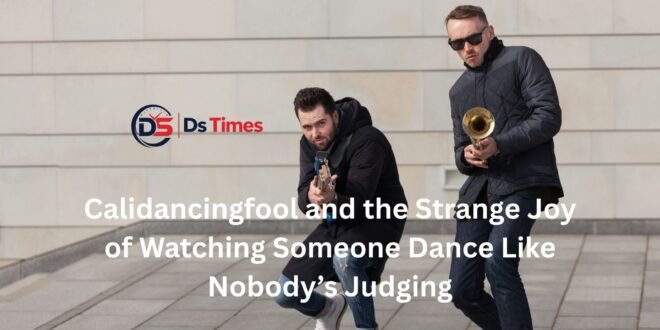
There’s something oddly refreshing about stumbling across a creator who doesn’t seem trapped inside the usual internet formula. No polished motivational speeches. No fake “rise and grind” energy. No endless attempts to look cool.
That’s part of what makes calidancingfool stand out.
The name alone already tells you what you’re getting into. It sounds unserious in the best possible way. A little chaotic. A little self-aware. Like somebody who understands that dancing in public can either feel embarrassing or completely freeing depending on how much you care about other people staring.
And honestly, most people care way too much.
That’s probably why content like this hits harder than expected. It’s not just dancing. It’s permission. Permission to move badly, laugh at yourself, take up space, and stop acting like every moment needs to be filtered through perfection.
You can feel that immediately when watching calidancingfool. There’s energy there that feels loose instead of manufactured. That matters more than people think.
The Internet Has Plenty of Performers. Very Few Feel Real
Scroll through social media for ten minutes and you’ll notice a pattern. Everyone’s trying to optimize themselves.
Perfect lighting. Perfect captions. Perfect reactions.
Even “casual” videos often feel rehearsed now.
Then someone like calidancingfool shows up dancing with total commitment and zero visible concern about looking polished, and suddenly the whole thing feels different. Human again.
That’s rare online.
People connect to authenticity faster than they connect to perfection, even if they don’t always realize it consciously. A creator doesn’t need studio production or cinematic edits when the personality itself carries the moment.
Think about the last time you watched somebody genuinely enjoying themselves. Not performing enjoyment. Actually enjoying something. It changes the atmosphere immediately.
You lean in without meaning to.
That’s the effect here.
Why Dancing Content Still Works So Well
You’d think internet dance videos would’ve burned out years ago. There’s been every trend imaginable already. TikTok routines. Flash mobs. Street dancing clips. People dancing beside their cars for reasons nobody fully understands.
Yet dance content keeps surviving.
Probably because movement communicates emotion faster than words do.
A person talking into a camera can explain confidence for three minutes straight. Somebody dancing freely for fifteen seconds often communicates it more clearly.
That’s the thing about creators like calidancingfool. The appeal isn’t technical precision. It’s emotional openness.
Big difference.
Most viewers aren’t dance experts anyway. They’re reacting to vibe, energy, confidence, humor, unpredictability. They want to feel something.
And sometimes the best internet moments come from someone fully committing to silliness.
There’s a weird courage in that.
Confidence Looks Different Than People Expect
A lot of people think confidence means looking impressive. It doesn’t.
Real confidence usually looks relaxed.
It looks like someone who’s comfortable enough to stop micromanaging themselves every second.
That’s one reason people become attached to creators who dance publicly without looking tense about it. Public dancing triggers fear in almost everybody. Even outgoing people get self-conscious. You can watch it happen physically. Stiff shoulders. Half-committed movements. Nervous smiling.
Then occasionally you see someone who just goes for it.
No apology attached.
That confidence becomes contagious.
Not because viewers suddenly want to become dancers overnight, but because it reminds them what freedom looks like in small everyday moments.
A guy dancing outside a convenience store shouldn’t feel emotionally meaningful. Yet somehow it does.
Internet culture is strange like that.
Humor Carries More Weight Than Perfection
Here’s the thing. People forgive rough edges when something feels entertaining and genuine.
Actually, they often prefer it.
A perfectly choreographed video can be impressive once. A funny, unpredictable creator gets replayed repeatedly because personality creates attachment.
Calidancingfool seems to understand that instinctively. There’s an element of not taking the performance too seriously, which ironically makes people take notice more seriously.
That balance matters.
Too polished and the audience feels distance.
Too chaotic and there’s nothing grounding the content.
The sweet spot is controlled unpredictability. Enough confidence to command attention, enough humor to keep things approachable.
You see this in street performers sometimes too. The best ones aren’t necessarily the most technically gifted. They’re the ones who can pull strangers into a moment and make them feel included instead of intimidated.
That’s a harder skill than people realize.
The Public Setting Changes Everything
Dancing in your bedroom is one thing.
Dancing where strangers can see you? Completely different psychological game.
Public spaces add tension automatically. There’s risk involved. Not serious risk, obviously, but social risk. Embarrassment risk. Judgment risk.
That’s why these videos work.
The audience subconsciously understands the courage required to ignore surrounding reactions and commit anyway. Even viewers who’d never dance in public themselves can appreciate the nerve it takes.
And honestly, random bystander reactions often become part of the entertainment.
You’ll usually spot at least one person trying not to stare. Another pretending they’re unimpressed while clearly watching. Sometimes somebody starts smiling despite themselves.
That social friction creates energy.
Without it, dance content can feel flat. Public settings make everything feel alive.
There’s Probably a Bigger Reason People Love This Stuff
A lot of modern life feels heavily managed now.
Work is optimized. Conversations are filtered. Social media profiles are curated like miniature marketing campaigns. Even hobbies sometimes start feeling competitive.
So when someone appears online acting spontaneous and uninhibited, it cuts through all that noise.
Not because viewers necessarily want to copy the behavior exactly.
They just miss seeing people act free.
That’s a deeper appeal behind creators like calidancingfool. The dancing becomes symbolic after a while. It represents a kind of looseness people secretly crave.
You can see it in comment sections too.
People rarely say, “Amazing technical footwork.”
They say things like:
“This made my day.”
“I wish I had this confidence.”
“Why is this weirdly wholesome?”
That reaction tells you everything.
Not Every Creator Needs a Deep Message
Sometimes internet culture overanalyzes everything.
A person can simply be entertaining.
That matters too.
There’s value in content that exists mainly to brighten somebody’s mood during a rough commute or boring lunch break. Not every creator needs to become a philosopher or lifestyle coach five minutes after getting attention online.
Honestly, audiences are getting tired of that anyway.
One reason people stay interested in personalities like calidancingfool is because the content feels lighter. There’s no obvious attempt to turn every moment into a lesson about productivity or self-improvement.
It’s just energy. Humor. Movement. Fun.
That simplicity feels refreshing now.
Social Media Usually Rewards Sameness. Then Somebody Weird Breaks Through
Most platforms encourage imitation. Once something works, everybody copies the format until audiences become numb to it.
Then someone unpredictable grabs attention again.
That cycle repeats constantly.
Creators who stand out tend to have one thing in common: they lean into their own specific weirdness instead of sanding it down.
Calidancingfool works because the personality feels distinct enough to recognize instantly. You know the vibe within seconds.
That’s harder to create than expensive production quality.
People remember feeling before they remember details.
A creator who leaves viewers smiling has already won half the battle online.
Watching Fearlessness Is Weirdly Motivating
Even if viewers never dance publicly themselves, watching somebody else do it can still shift something mentally.
You start questioning your own hesitation around smaller things.
Maybe posting a creative project.
Maybe wearing clothes you actually like instead of “safe” choices.
Maybe speaking up more instead of constantly self-editing.
Fearlessness tends to spread by observation.
Not perfectly, obviously. Nobody transforms overnight from watching dance clips online. But repeated exposure to unapologetic self-expression can soften people’s obsession with appearing cool all the time.
And honestly, trying to look cool nonstop is exhausting.
Most people are more interesting when they stop managing every impression.
The Best Internet Personalities Feel Like People You’d Actually Recognize Offline
There’s a certain type of online fame that disappears instantly once trends move on. Usually because the creator never felt like a real person to begin with. Just a content machine attached to algorithms.
Then there are creators whose personality would probably stand out anywhere.
School parking lot. Beach boardwalk. Backyard barbecue. Doesn’t matter.
You can imagine them existing outside the app.
That grounded feeling makes a difference. It creates familiarity.
Calidancingfool has that kind of energy. The content doesn’t feel separated from the person behind it. It feels like an extension of an actual personality instead of a carefully assembled brand identity.
Viewers pick up on that quickly.
Why People Keep Coming Back
At first glance, dance content seems repetitive.
Music. Movement. Reaction. Repeat.
But consistency in energy creates comfort for audiences. People return because they know what emotional experience they’re getting. Maybe a laugh. Maybe a mood boost. Maybe just a break from doomscrolling through arguments and bad news.
That reliability matters more than endless reinvention.
And let’s be honest, the internet can feel aggressively negative sometimes. A creator bringing chaotic joy into timelines shouldn’t be underestimated.
There’s real value in that.
Not life-changing value. We don’t need to exaggerate it. But enough value that people remember how the content made them feel afterward.
That’s usually the difference between temporary clicks and genuine audience connection.
The Takeaway Behind Calidancingfool
At the center of it all, calidancingfool represents something simple people are starving for online: unapologetic personality.
Not manufactured relatability.
Not fake perfection.
Just visible enjoyment mixed with enough confidence to ignore the pressure to look polished every second.
That’s why the content sticks.
It reminds viewers that being memorable often has less to do with technical excellence and more to do with commitment. Fully showing up. Fully committing to the bit. Fully embracing the moment without trying to protect yourself from embarrassment first.
Most people spend years trying to avoid looking foolish.
Meanwhile, sometimes the “fool” dancing freely ends up looking like the most confident person in the room.
